
Introduction
In an age of increasing environmental concern and a growing global population, the demand for sustainable agricultural practices has never been more pressing. Greenhouses play a crucial role in modern agriculture, providing a controlled environment for growing plants and extending growing seasons. Lida Group, a leader in steel structure technology, has developed innovative greenhouse solutions that not only enhance agricultural productivity but also promote sustainability. This article explores the benefits of Lida Group’s steel structure greenhouses, their design and technology, and their impact on sustainable agriculture.
Understanding Greenhouses
What Are Greenhouses?
A greenhouse is a structure designed to provide a controlled environment for plants. It typically consists of transparent materials like glass or plastic that allow sunlight to enter while trapping heat, creating an ideal microclimate for plant growth. Greenhouses can vary in size and complexity, from small backyard structures to large commercial facilities.
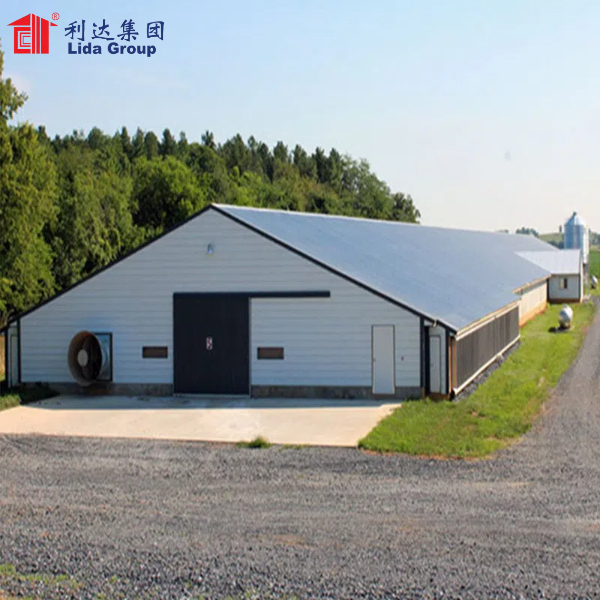
The Importance of Greenhouses in Agriculture
Greenhouses offer several advantages for agricultural production:
- Extended Growing Seasons: By providing a controlled environment, greenhouses enable farmers to grow crops year-round, regardless of external weather conditions.
- Pest and Disease Control: Enclosed environments help reduce the risk of pests and diseases, allowing for healthier plants and potentially reducing the need for chemical pesticides.
- Resource Efficiency: Greenhouses can optimize water and nutrient usage, resulting in more sustainable farming practices.
Lida Group’s Approach to Greenhouse Technology
Commitment to Sustainability
Lida Group is dedicated to promoting sustainable agricultural practices through innovative greenhouse designs. Their steel structure technology provides a robust foundation for greenhouses while addressing environmental concerns. Key aspects of Lida Group’s approach include:
- Recyclable Materials: Steel is fully recyclable, making it an environmentally friendly choice for greenhouse construction.
- Energy Efficiency: Lida Group incorporates energy-efficient systems in their greenhouse designs, reducing the overall carbon footprint.
Advanced Design and Engineering
Lida Group employs advanced design and engineering techniques to create high-performance greenhouses. Some notable features include:
- Modular Construction: Lida Group’s greenhouses are designed using modular construction principles, allowing for quick assembly and easy expansion. This flexibility enables farmers to adapt their greenhouses to changing needs.
- Optimal Light Transmission: The use of high-quality, transparent materials ensures maximum light penetration, promoting healthy plant growth while minimizing energy costs for heating and cooling.
- Ventilation Systems: Effective ventilation is critical for maintaining optimal growing conditions. Lida Group integrates advanced ventilation systems that allow for controlled airflow, reducing humidity and preventing overheating.
Benefits of Lida Group’s Steel Structure Greenhouses
1. Structural Integrity and Durability
Lida Group’s steel structures are designed to withstand harsh weather conditions, including heavy snow loads, high winds, and extreme temperatures. This durability ensures that greenhouses remain functional and safe for growing crops, even in challenging climates.
2. Cost-Effectiveness
The use of steel in greenhouse construction offers several cost advantages:
- Lower Maintenance Costs: Steel structures require less maintenance compared to traditional materials like wood, which can rot or warp over time.
- Long Lifespan: Steel’s durability translates to a longer lifespan for the greenhouse, providing a better return on investment for farmers.
3. Enhanced Crop Yields
The controlled environment provided by Lida Group’s greenhouses leads to improved crop yields. Key factors contributing to this enhancement include:
- Consistent Climate: A stable temperature and humidity level promote optimal growth conditions, resulting in healthier plants and higher production rates.
- Reduced Pest Pressure: The enclosed nature of greenhouses helps minimize pest infestations, allowing plants to thrive without the stress of external threats.
4. Environmental Sustainability
Lida Group’s greenhouses contribute to sustainable agriculture by:
- Water Efficiency: Advanced irrigation systems can be integrated into the greenhouse design, optimizing water usage and reducing waste.
- Reduced Chemical Use: Healthier plants grown in a controlled environment often require fewer chemical treatments, promoting a more sustainable approach to farming.
Applications of Lida Group’s Steel Structure Greenhouses
1. Commercial Agriculture
Lida Group’s greenhouses are ideal for large-scale commercial agriculture operations. These greenhouses can support a variety of crops, from vegetables to flowers, and are designed for maximum efficiency and productivity.
2. Research and Development
Research institutions and universities use Lida Group’s greenhouses for agricultural research and experimentation. The controlled environment allows scientists to study plant growth under various conditions and develop new agricultural techniques.
3. Urban Farming
As urban areas grow, the need for sustainable local food sources increases. Lida Group’s greenhouses can be adapted for urban farming initiatives, providing fresh produce to city dwellers while minimizing transportation emissions.
4. Educational Institutions
Schools and educational programs can utilize Lida Group’s greenhouses as hands-on learning environments. Students can engage in agricultural science, sustainability practices, and food production, fostering a greater understanding of these critical issues.
The Construction Process
1. Initial Consultation and Planning
The construction of a Lida Group greenhouse begins with an initial consultation to assess the specific needs and goals of the client. This phase includes:
- Site Evaluation: Assessing the site’s conditions, including soil quality, sunlight exposure, and access to water.
- Design Development: Collaborating with clients to create a customized greenhouse design that meets their operational requirements.
2. Design and Engineering
Lida Group’s design team utilizes advanced software to create detailed plans for the greenhouse. Key elements of this phase include:
- 3D Modeling: Visualizing the greenhouse layout and structure to ensure all specifications are met.
- Structural Analysis: Conducting simulations to assess the structural integrity of the design under various load conditions.
3. Prefabrication
Once the design is finalized, Lida Group moves to the prefabrication stage:
- Precision Manufacturing: Steel components are fabricated off-site in a controlled environment, ensuring quality and consistency.
- Quality Assurance: Rigorous quality checks are conducted throughout the fabrication process to meet safety and performance standards.
4. On-Site Assembly
The assembly phase involves transporting prefabricated components to the construction site for installation:
- Rapid Construction: With prefabricated components, assembly is quick and minimizes disruption to the surrounding area.
- Safety Protocols: Lida Group adheres to strict safety standards during construction, ensuring a safe working environment.
Challenges in Greenhouse Construction and Solutions
1. Environmental Regulations
Navigating environmental regulations can pose challenges for greenhouse construction. Lida Group addresses these challenges by:
- Thorough Research: Conducting extensive research to ensure all designs comply with local environmental regulations.
- Engaging with Authorities: Collaborating with local authorities during the planning phase to streamline the approval process.
2. Supply Chain Management
Supply chain disruptions can impact project timelines. Lida Group mitigates these challenges by:
- Diverse Supplier Network: Building relationships with multiple suppliers to ensure material availability.
- Inventory Management: Utilizing advanced inventory management systems to track materials and anticipate shortages.
3. Weather Considerations
Weather conditions can affect construction schedules. Lida Group employs strategies such as:
- Flexible Scheduling: Adjusting construction timelines based on weather forecasts to minimize delays.
- Weather-Resistant Materials: Using materials designed to withstand harsh weather conditions, ensuring project durability.
The Impact of Lida Group’s Greenhouses on Sustainable Agriculture
1. Enhancing Food Security
As the global population continues to grow, food security becomes increasingly important. Lida Group’s greenhouses contribute to food security by:
- Increasing Local Production: By enabling year-round crop production, greenhouses help communities become more self-sufficient and reduce reliance on imported food.
- Promoting Sustainable Practices: Sustainable agricultural practices foster resilience in food systems, ensuring a reliable food supply even in the face of climate change.
2. Supporting Smallholder Farmers
Lida Group’s greenhouses are accessible to smallholder farmers, providing them with the tools needed to increase productivity and income. Key benefits include:
- Affordable Solutions: Lida Group offers various greenhouse designs at different price points, making sustainable agriculture accessible to small-scale farmers.
- Training and Education: Lida Group often collaborates with agricultural organizations to provide training on efficient greenhouse management, empowering farmers with knowledge and skills.
3. Mitigating Climate Change
Greenhouses can play a role in mitigating climate change by:
- Reducing Carbon Footprint: Efficient growing practices and reduced transportation emissions contribute to lower overall carbon footprints.
- Promoting Biodiversity: Greenhouses can support diverse plant species, contributing to ecosystem health and resilience.
Future Prospects for Lida Group’s Greenhouses
1. Technological Advancements
The future of greenhouse technology is likely to be shaped by advancements in several areas:
- Smart Agriculture: Integrating IoT devices and sensors can enhance monitoring and management of greenhouse environments, leading to more efficient resource use.
- Hydroponics and Aquaponics: The incorporation of hydroponic and aquaponic systems in greenhouses can further optimize space and resource use, increasing crop yields.
2. Global Expansion
Lida Group aims to expand its reach internationally, providing steel structure greenhouse solutions to diverse agricultural markets. This expansion will involve:
- Collaborations: Partnering with local farmers, agricultural organizations, and governments to promote sustainable greenhouse practices.
- Customizing Designs: Adapting greenhouse designs to meet the specific needs and challenges of different regions and climates.
3. Education and Advocacy
Lida Group recognizes the importance of education and advocacy in promoting sustainable agriculture. The company plans to:
- Conduct Workshops: Offer training sessions and workshops for farmers on efficient greenhouse management and sustainable practices.
- Engage with Communities: Work with local communities to raise awareness about the benefits of greenhouse agriculture and its role in food security.
Conclusion
Lida Group’s steel structure greenhouses represent a significant advancement in sustainable agricultural practices. By combining innovative design, advanced technology, and a commitment to sustainability, Lida Group is helping to redefine the future of agriculture.
As the global demand for food continues to rise, Lida Group’s greenhouses offer a practical solution for enhancing crop yields, promoting resource efficiency, and supporting local food systems. Through collaboration, education, and a focus on sustainability, Lida Group is positioning itself as a leader in the movement toward a more resilient and sustainable agricultural future. The impact of these greenhouses extends beyond individual farms, contributing to food security, environmental stewardship, and community well-being worldwide.
Contact Us
Post time: Oct-14-2024